
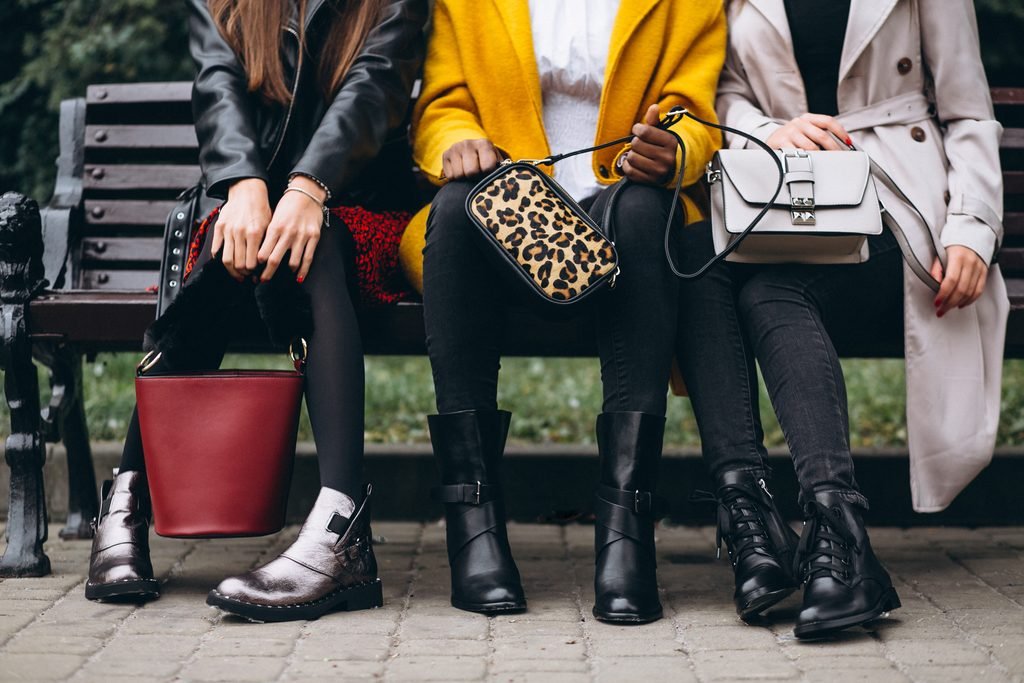
Whether for everyday use, work, or special occasions, handbags are both practical accessories and an important part of personal style. But with so many shapes and designs available, choosing the right one can feel overwhelming.
From compact clutches to spacious shoppers, different types of handbags serve different purposes. Understanding their features makes it easier to find a bag that suits your lifestyle, wardrobe, and individual needs.
In this guide, we explore ten popular handbag styles, explain what makes each one distinctive, and help you decide when to carry them.
1. Clutch – The Elegant Bag for Special Occasions
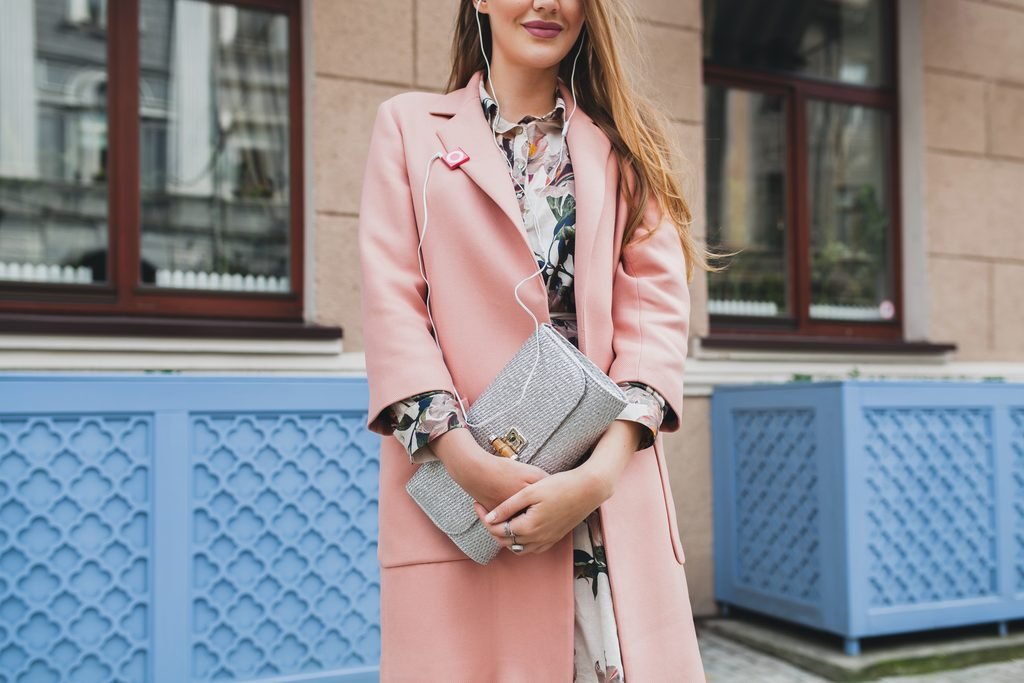
A clutch is a small, usually flat handbag traditionally designed to be carried in the hand. Some designs also feature a removable chain or shoulder strap.
Clutches are particularly popular for weddings, formal receptions, evening events, and special celebrations.
Typical features:
- Small, compact shape
- Often no fixed handle
- Elegant materials and decorative details
- Space for essentials such as a phone, cards, and lipstick
Best for: Weddings, evening events, celebrations, and formal dinners.
A simple clutch can complement an elaborate outfit, while an embroidered or pearl-embellished clutch can add a distinctive touch to an understated dress.
2. Evening Bag – A Sophisticated Accessory
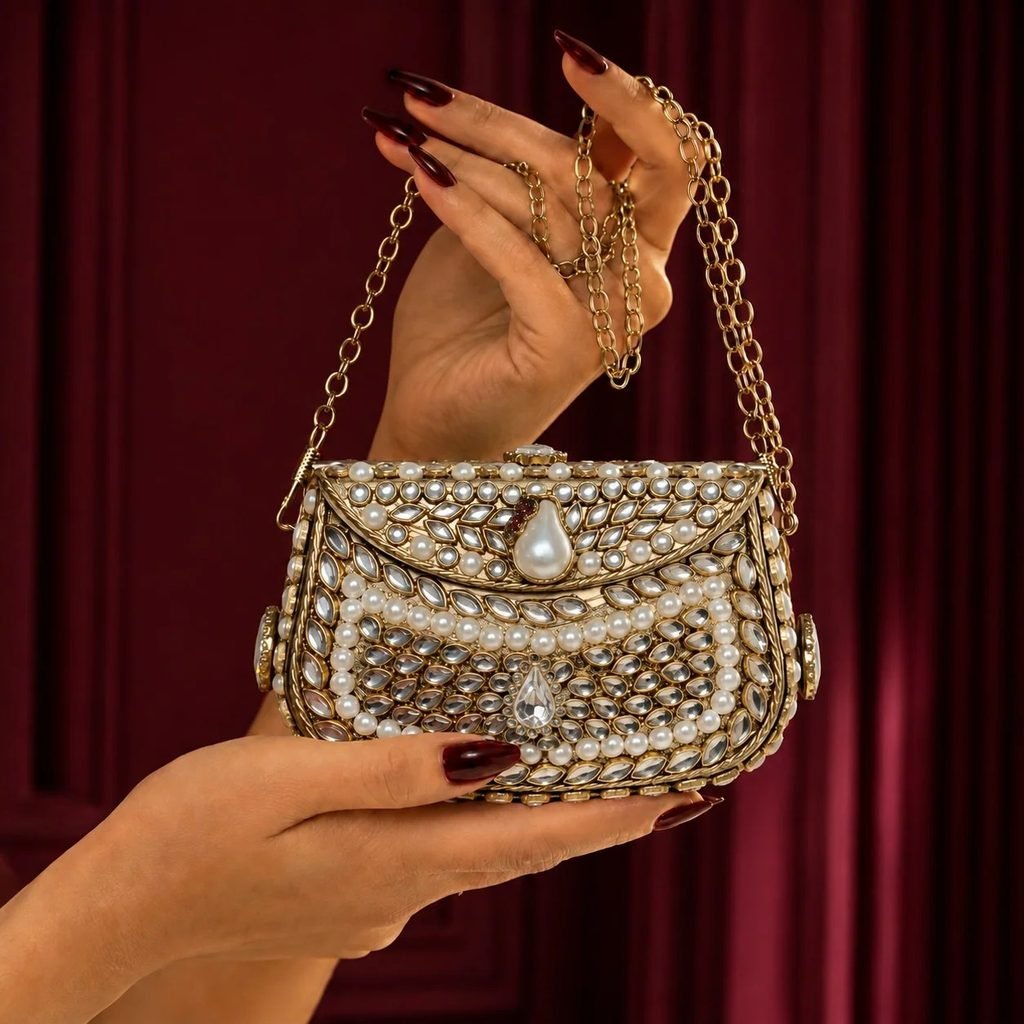
An evening bag is not one specific handbag shape. Instead, the term describes smaller, elegant bags designed for formal occasions. A clutch can therefore also be an evening bag.
Evening bags come in various styles, including designs with chain straps, decorative closures, embroidery, and shimmering embellishments.
Typical features:
- Small to medium size
- Formal, elegant appearance
- Often made from refined fabrics or decorated with embellishments
- Sophisticated silhouette
Best for: Galas, weddings, receptions, and formal celebrations.
A decorative evening bag can create a beautiful contrast when paired with a simple evening dress.
3. Shoulder Bag – The Versatile Classic
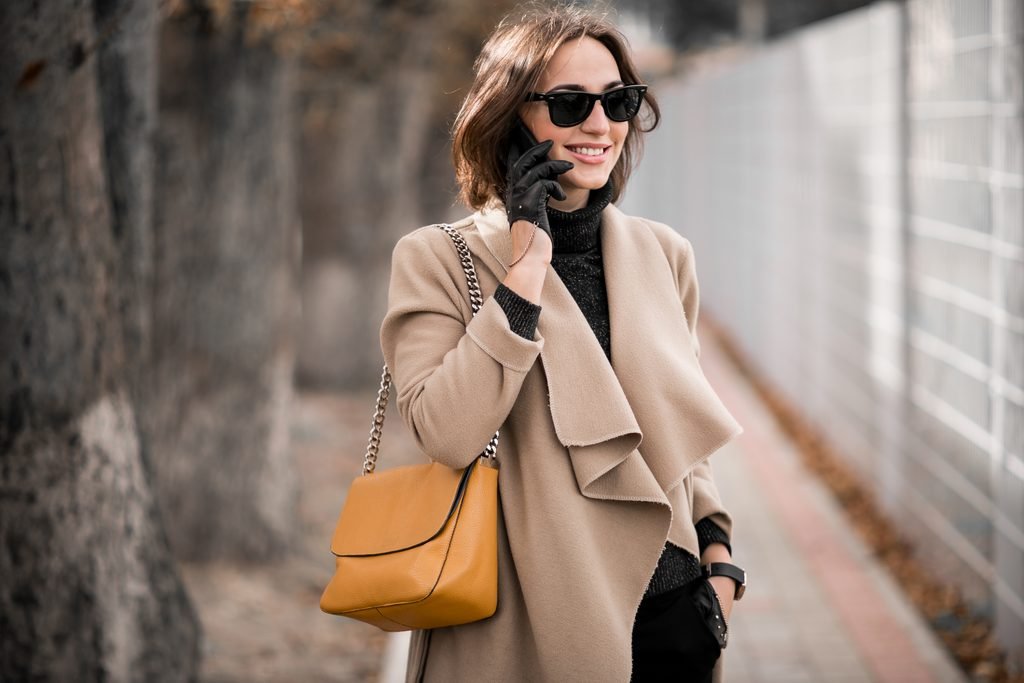
Shoulder bags are among the most familiar handbag styles. They have one or more straps that allow them to be carried comfortably over the shoulder.
Depending on their size and design, they can be suitable for everyday use or more elegant occasions.
Typical features:
- One or more shoulder straps
- Available in different sizes and shapes
- Often several interior compartments
- Comfortable carrying style
Best for: Everyday activities, shopping, work, and leisure.
A compact shoulder bag is an excellent choice when you need more space than a clutch offers but don’t want to carry a large handbag.
4. Crossbody Bag – Practical and Comfortable
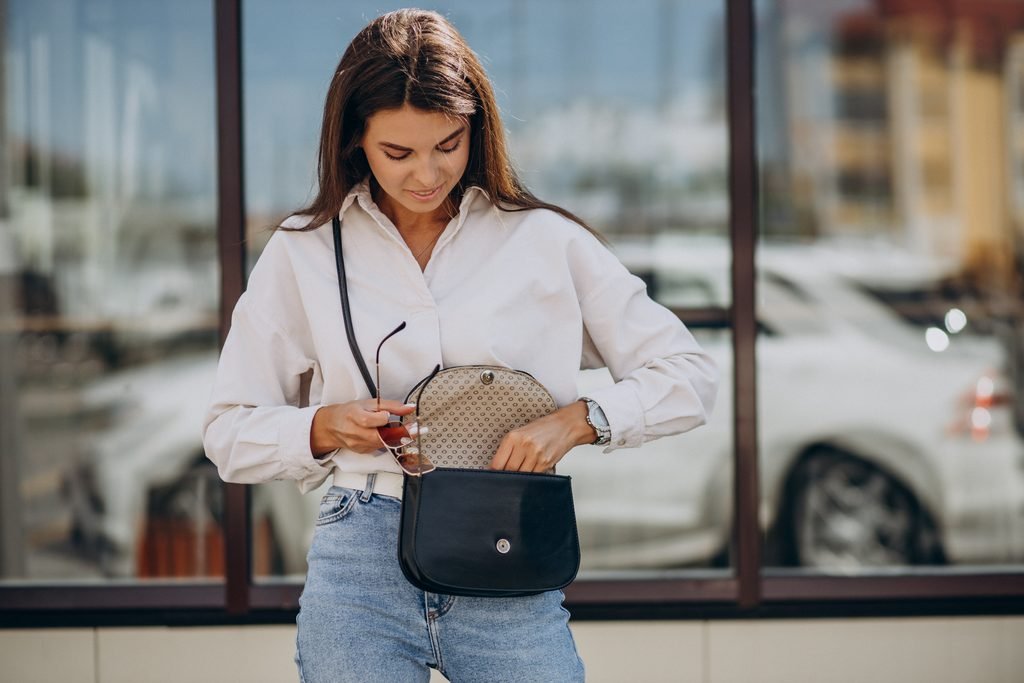
A crossbody bag has a longer strap and is typically worn diagonally across the body.
This keeps the bag close to you while leaving your hands free.
Typical features:
- Long, often adjustable strap
- Comfortable hands-free design
- Frequently secure compartments or closures
- Available in small and medium sizes
Best for: City trips, traveling, walking, and everyday use.
Crossbody bags are particularly convenient for people who value freedom of movement.
5. Shopper Bag – Spacious and Practical
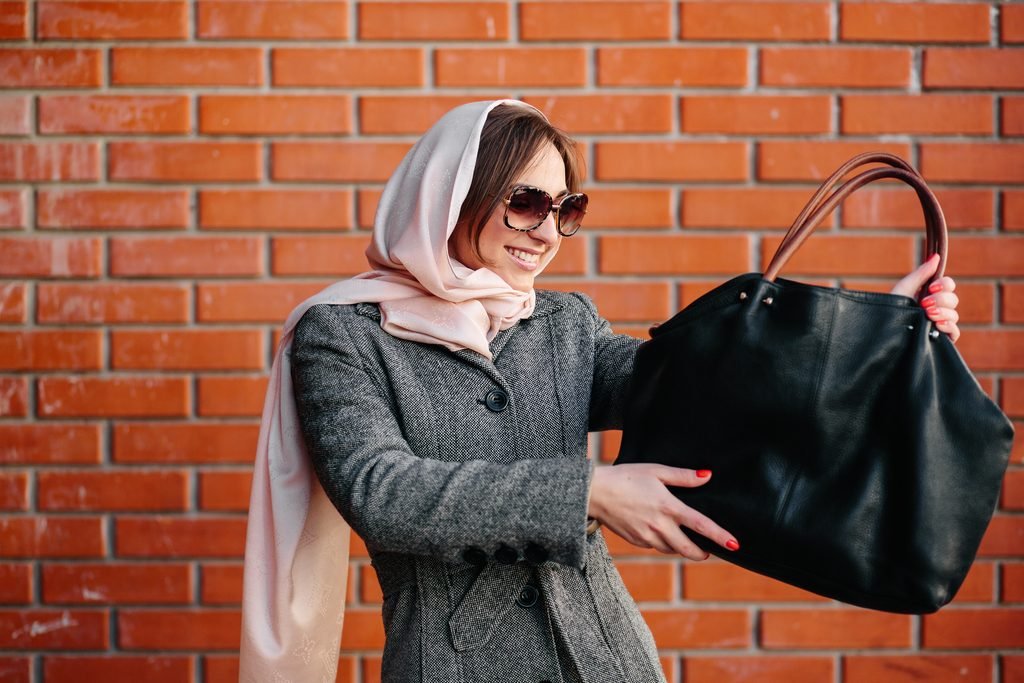
A shopper is a roomy handbag with a generously sized main compartment and usually two longer handles.
Its practical design makes it suitable for carrying everyday essentials and larger personal items.
Typical features:
- Large main compartment
- Spacious structure
- Long handles
- Often simple, functional styling
Best for: Shopping, work, university, and everyday activities.
If you regularly carry a water bottle, notebook, or other larger items, a shopper may be a better choice than a small handbag.
6. Tote Bag – Simple and Spacious
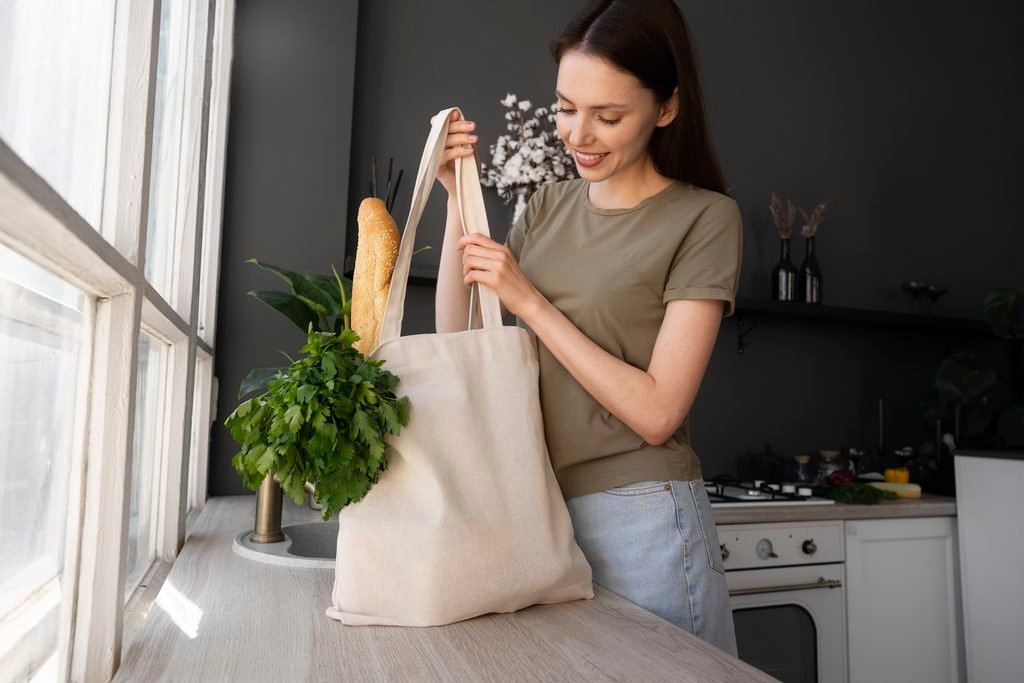
A tote bag typically has two parallel handles and a straightforward, often rectangular shape.
Totes can be made from cotton, canvas, leather, and other materials. Their appearance can range from casual to sophisticated.
Typical features:
- Two carrying handles
- Simple silhouette
- Roomy interior
- Often minimal internal organization
Best for: Leisure, work, shopping, and short outings.
The terms tote bag and shopper often overlap. Tote generally describes the bag’s construction, while shopper is commonly used for particularly roomy shopping-oriented bags.
7. Hobo Bag – Relaxed With a Soft Silhouette
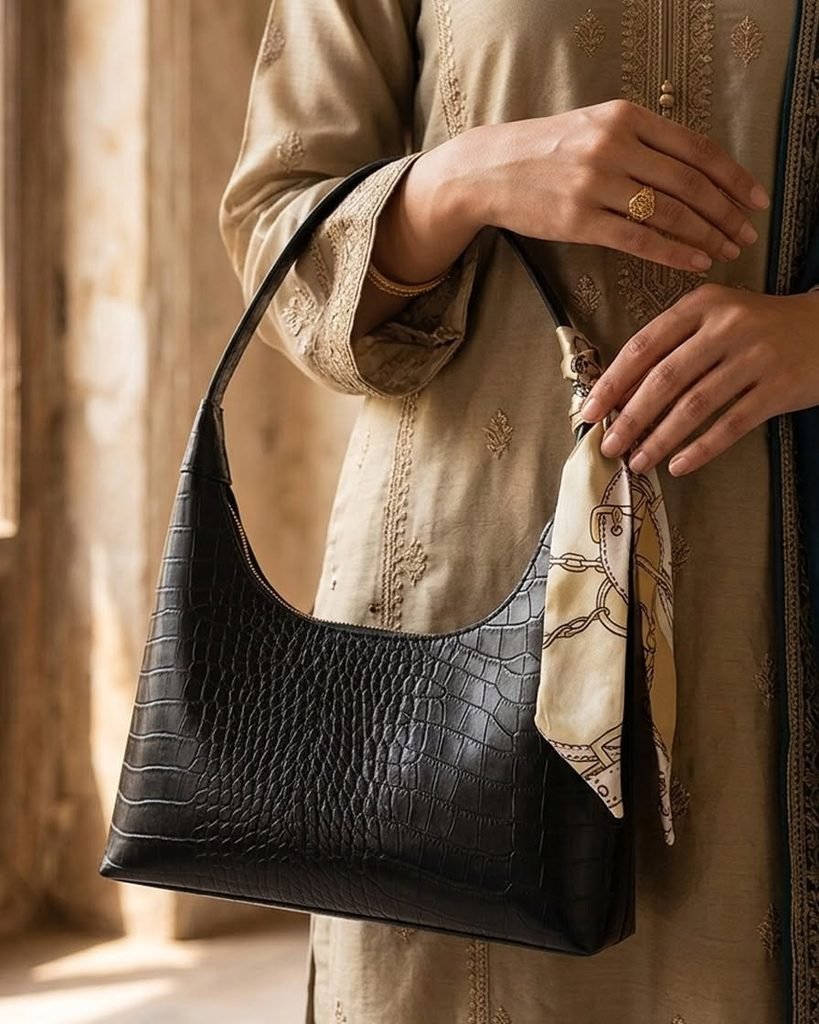
A hobo bag is known for its soft, often crescent-shaped silhouette.
Its flexible structure allows it to slouch naturally when carried, creating a relaxed appearance. Many designs have a single shoulder strap.
Typical features:
- Soft, flexible shape
- Often curved silhouette
- Usually one shoulder strap
- Casual styling
Best for: Leisure, everyday outfits, and relaxed occasions.
A hobo bag pairs especially well with flowing dresses, knitwear, and casual clothing.
8. Bucket Bag – The Modern Drawstring Style
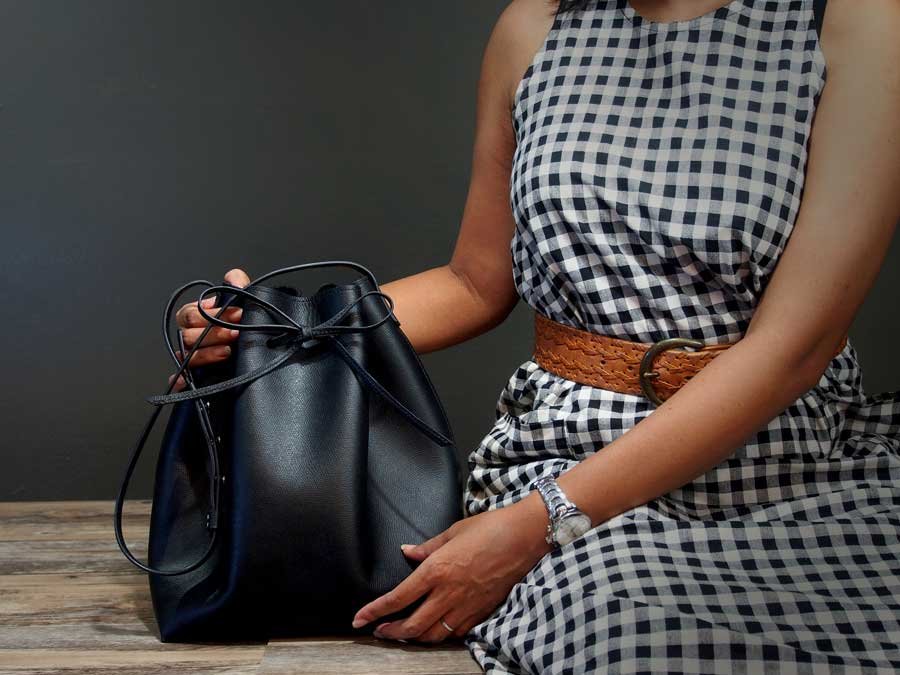
A bucket bag usually features a round or oval base with a tall, cylindrical body.
Many designs close with a drawstring, although other closure styles are also available.
Typical features:
- Bucket-shaped silhouette
- Often a round base
- Frequently a drawstring closure
- Compact appearance with useful interior space
Best for: Everyday wear, leisure, and contemporary casual outfits.
A bucket bag is a distinctive alternative to traditional rectangular handbag shapes.
9. Satchel – A Structured Handbag
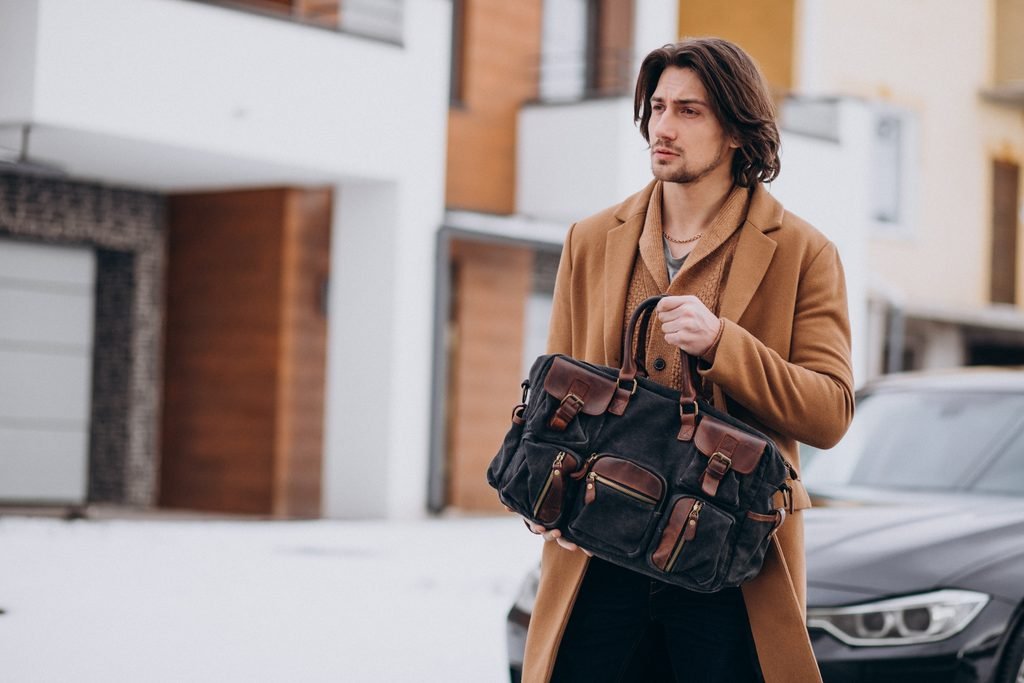
A satchel typically has a firm, defined shape with one or more carrying handles. Some styles also feature a longer shoulder strap.
Its structured construction creates a classic and organized appearance.
Typical features:
- Structured design
- Clean lines
- Often a top handle and shoulder strap
- Practical interior compartments, depending on the model
Best for: Work, meetings, and polished everyday outfits.
A satchel is a suitable choice if you want a handbag that feels both elegant and practical.
10. Mini Bag – Small but Expressive
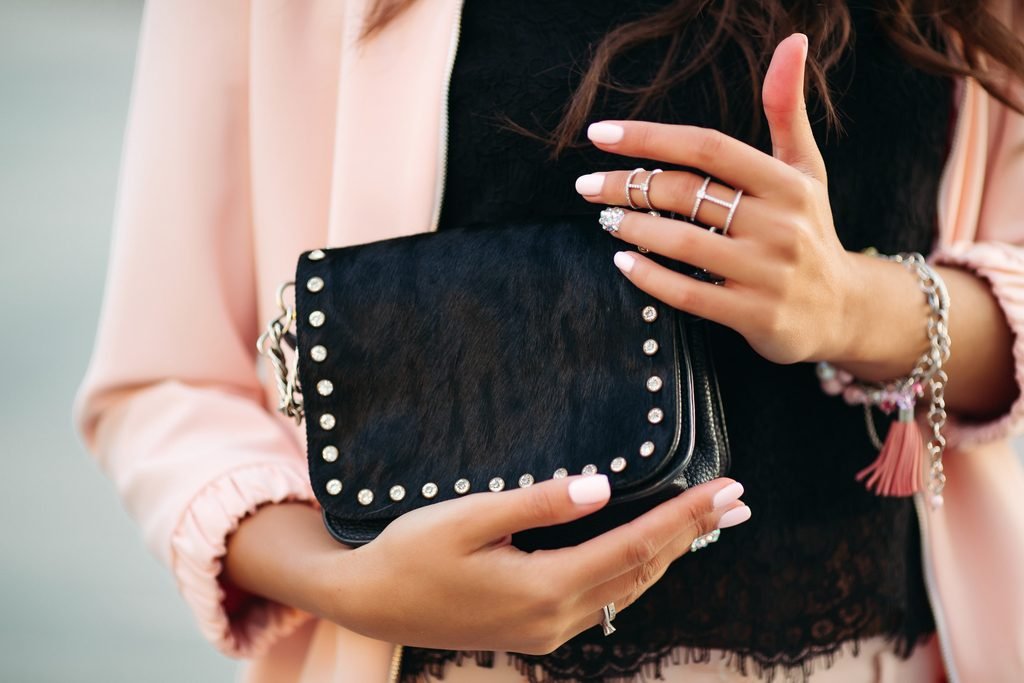
Mini bags are very small handbags that often serve as fashion accessories as much as practical bags.
They can resemble miniature shoulder bags, crossbody bags, or top-handle handbags.
Typical features:
- Very compact dimensions
- Often distinctive styling
- Limited storage space
- Different carrying options
Best for: Parties, short outings, and fashion-focused outfits.
Before choosing a mini bag, check whether it can actually fit your phone, keys, and other essential items.
Which Handbag Suits Which Occasion?
Different handbags vary not only in appearance but also in function. The right choice depends on what you need to carry and how you prefer to wear your bag.
| Occasion | Suitable handbag types |
| Everyday use | Shoulder bag, crossbody bag, hobo bag |
| Work and university | Shopper, tote bag, satchel |
| Shopping | Shopper, tote bag |
| City outings and traveling | Crossbody bag, bucket bag |
| Weddings | Clutch, small evening bag |
| Formal evening events | Clutch, evening bag, mini bag |
These are general suggestions rather than strict rules. An elegantly designed shoulder bag, for example, can also work beautifully for a formal occasion.
What Should You Consider When Choosing a Handbag?
Beyond the style itself, several practical factors can help you choose the right bag.
Size and Storage Space
Start by thinking about what you usually carry. A small bag may be sufficient for your phone, keys, and cards, while work or longer outings may require more space.
Material and Craftsmanship
Different materials influence both the appearance and care requirements of a handbag.
Smooth surfaces, delicate fabrics, and detailed embroidery may require different types of care. It’s also worth checking the seams, closures, and overall construction.
Comfort
A handbag should feel comfortable to carry. Consider the strap length, weight, and handle positioning before making your choice.
Personal Style
Your handbag should complement your wardrobe and personality.
Simple styles are often easy to combine with different outfits, while embroidered or embellished handbags can bring a more distinctive touch.
Hand-Embroidered Bags – When a Handbag Becomes a Statement Accessory
Beyond the handbag’s shape, its design plays an important role in its overall appearance.
Hand-embroidered bags feature decorative patterns, carefully executed stitching, and sometimes additional embellishments such as pearls or gemstones.
These details can be especially beautiful on clutches and evening bags, where a decorative design can elevate a simple outfit.
However, an embellished handbag doesn’t need to be reserved exclusively for formal occasions. It can also be styled with understated everyday clothing to create an interesting contrast.
If you appreciate distinctive designs, explore the Silk & Stones collection for further inspiration.
Frequently Asked Questions About Handbag Types
What is the difference between a clutch and an evening bag?
A clutch describes a particular compact handbag shape, usually carried in the hand. An evening bag refers more broadly to a handbag designed for formal occasions. Many clutches are therefore also evening bags.
What is the difference between a shoulder bag and a crossbody bag?
Shoulder bags are generally carried over one shoulder. Crossbody bags usually have a longer strap that allows them to be worn diagonally across the body.
What type of handbag is best for a wedding?
A small clutch or elegant evening bag is often a suitable choice. The best option depends on the outfit, the type of wedding, and your personal needs.
Which handbag style is the most practical for everyday use?
That depends on what you need to carry. Crossbody bags offer freedom of movement, while shoppers and tote bags provide more storage space.
Finding the Right Handbag for Every Occasion
From clutches and shoppers to satchels and crossbody bags, different handbag shapes and styles offer their own advantages.
Understanding the differences helps you choose a design that suits the occasion, your wardrobe, and your practical needs.
For everyday use, comfort and storage space may be the most important considerations. For special occasions, refined materials and decorative details can take center stage.
Ultimately, the best handbag is one that meets your needs, feels comfortable to carry, and reflects your personal style.